





Dandruff is among the world’s most common hair complaints and most of us have experienced it at some point in life. For some, it can be more than just a seasonal problem and it often indicates an imbalance. However, there is an important distinction to be remembered between dandruff and dry scalp.
Both can manifest by causing flaking and irritation, it is easy to clump them together. But identifying the correct cause of your problem can help you get to the underlying reasons and therefore, choose the right dandruff treatment or dry scalp remedies.
One of the biggest mistakes people make is treating a dry scalp as dandruff or vice versa. Since both conditions can cause flaking and irritation, they're often confused. However, they have different underlying causes and require different treatments.
Dandruff vs. Dry Scalp: What's the Difference?
Dandruff and dry scalp can develop for different reasons, although they may look similar at the first glance. Let’s understand the reasons behind them.
Dry scalp
When your skin or scalp is losing more water than retaining, it causes dryness. It can be exaggerated if you are using hair care products that are harsh, resulting in stripping of the natural oils from your scalp. It can also be felt more noticeably in low-humidity areas and during cold weather. As a result, you may experience some symptoms that can be distracting and painful and impact your well being.
Here are some signs to watch out for:
-
Small, fine, white flakes
-
Tightness or dryness
-
Mild itching
-
Dry skin elsewhere on the body
-
Flakes that are light and powdery
If you consistently face these issues, switch to products that are clinically tested to target dry scalp.
Dandruff
In simple terms, the scaling of the skin on your scalp causes dandruff to occur. It is often linked to excess oil production, inflammation and an overgrowth of a naturally occurring yeast called Malassezia. Rather than being too dry, the scalp often becomes irritated and sheds skin cells more rapidly than normal.
Some symptoms of dandruff include:
-
Larger white or yellowish flakes
-
Oily or greasy scalp
-
Persistent itching
-
Redness or irritation
-
Flakes that stick to the scalp or hair
Understanding the scalp flaking causes behind your symptoms is the first step towards choosing the right treatment.
The Science Behind Dandruff: Meet Malassezia
One of the biggest contributors to dandruff is a yeast-like fungus called Malassezia.
Before that sounds alarming, it's worth knowing that Malassezia naturally lives on almost everyone's scalp. It feeds on the oils (sebum) produced by your skin and usually causes no problems.
However, according to studies, Malassezia grows excessively or triggers an inflammatory response in some people, depending on the region of the country they live in. As it breaks down scalp oils, it produces by-products that can irritate the skin and accelerate the turnover of skin cells. Instead of shedding gradually, these skin cells clump together into the visible flakes we recognise as dandruff.
Factors that encourage fungal overgrowth include:
-
Excess oil production
-
Hormonal changes
-
Humid weather
-
Infrequent shampooing
-
Stress
-
Individual sensitivity to Malassezia
This is why simply moisturising the scalp isn't an effective dandruff treatment. It is important to address the fungal imbalance as well.

Ingredients That Actually Work Against Dandruff
Many hair care products claim to eliminate flakes, but only a handful of ingredients have strong scientific evidence behind them.
Ketoconazole
One of the most effective antifungal ingredients available, ketoconazole targets Malassezia directly while reducing inflammation. It's commonly recommended for moderate to severe dandruff.
Zinc Pyrithione
This ingredient helps reduce fungal growth and bacteria on the scalp while calming irritation. It's widely used in everyday anti-dandruff products.
Selenium Sulphide
Selenium sulphide slows down the production of skin cells and reduces fungal growth, making it particularly useful for persistent dandruff.
Piroctone Olamine
Increasingly popular in modern formulations, piroctone olamine has antifungal properties and may also help improve hair density in some individuals by supporting a healthier scalp environment.
Salicylic Acid
Although not antifungal itself, salicylic acid gently exfoliates dead skin cells, helping remove stubborn flakes and allowing active ingredients to penetrate more effectively.
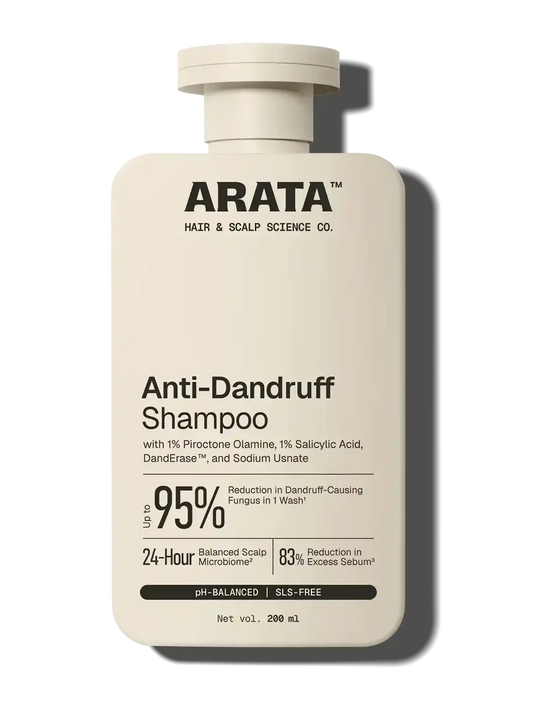
Choosing an anti-dandruff shampoo containing one or more of these ingredients can make a significant difference when used consistently.
A Routine That Actually Helps Control Dandruff
Finding out the cause of dandruff makes you more discerning when choosing the right product to treat it. It can give you the information you need to differentiate between quick, ineffective fixes and long-term solutions. This means good dandruff treatment is not just about finding the right product, it’s also about using it correctly.
Step 1: Use Anti Fungal Shampoo
Most medicated shampoos need time to be effective. Massage the shampoo into your scalp and leave it on for three to five minutes before rinsing so the active ingredients can take effect.
Initially, using the shampoo two to three times a week is often recommended.
Step 2: Cleanse your scalp regularly
Sometimes people can avoid washing their hair because they think it can cause dryness and hence, increase the flaking. However, in reality it may worsen the condition if your hair is not washed because it allows time for oil, sweat and other buildup to gather. This can feed Malassezia and make dandruff worse.
So, wash your hair according to your scalp type and activity level.
Step 3: Avoid scratching
Scratching may provide temporary relief but can damage the scalp barrier, increase inflammation and even lead to secondary infections.
Instead, focus on reducing the underlying inflammation with appropriate treatment and go for products that can soothe your scalp.
Step 4: Moisturise if your scalp is dry
If your flakes are actually due to dryness, harsh antifungal shampoos alone may worsen the problem.
Simple dry scalp remedies include using gentle, sulphate-free cleansers, avoiding very hot water and applying lightweight scalp moisturisers designed for sensitive skin.

Why Many Anti-Dandruff Shampoos Don't Deliver Results
If you've tried multiple products without success, the shampoo itself may not be the only issue.
Here are some common reasons treatment fails:
Misdiagnosis
The point of biggest confusion when it comes to misdiagnosis is dandruff vs dry scalp. Treating dryness with strong antifungal products can increase irritation, while treating fungal dandruff with oils alone won't solve the underlying problem.
Inconsistent use
Many people stop treatment once the flakes disappear. However, dandruff is often a recurring condition that requires maintenance.
Not leaving the shampoo on long enough
Immediately rinsing medicated shampoos limits their effectiveness. Most active ingredients need several minutes of contact with the scalp.
Product build-up
Heavy styling products, dry shampoos and excessive oils can interfere with scalp health and reduce the effectiveness of treatment.
An underlying scalp condition
Sometimes what appears to be dandruff may actually be seborrhoeic dermatitis, psoriasis, eczema or another skin condition requiring medical evaluation.
How to Keep Dandruff Under Control Long-Term
Even after symptoms improve, maintaining a healthy scalp helps reduce future flare-ups.
Some simple habits include:
-
Continue using your anti-dandruff shampoo once every week or two as maintenance if advised.
-
Wash your scalp regularly based on your oil production.
-
Avoid excessive scratching.
-
Manage stress, as flare-ups often coincide with stressful periods.
-
Eat a balanced diet rich in zinc, B vitamins and healthy fats to support skin health.
-
Clean hairbrushes, pillowcases and hats regularly to minimise build-up.
If flakes persist despite regular treatment or are accompanied by redness, pain, swelling or hair loss, consult a dermatologist for an accurate diagnosis.
Healthy Hair Starts with a Healthy Scalp
Flaking isn't always dandruff, and not every itchy scalp is dry. Understanding the difference between dandruff vs dry scalp allows you to choose treatments that target the real cause instead of masking the symptoms.
Whether you need a clinically proven formula for dandruff treatment or gentle, easy dry scalp remedies, consistency is key
FAQs
Q: Is dandruff caused by poor hygiene?
No. Dandruff is not caused by poor hygiene alone. It is primarily linked to an overgrowth of Malassezia, a naturally occurring yeast on the scalp, along with excess oil production and individual sensitivity. However, infrequent shampooing can allow oil, dead skin cells and product build-up to accumulate, which may worsen dandruff symptoms. Maintaining a regular scalp-cleansing routine can help keep flakes under control.
Q: Can dandruff cause hair fall?
Dandruff itself does not directly cause permanent hair loss. However, persistent inflammation and frequent scratching can weaken the hair shaft, increase breakage and contribute to temporary hair shedding. In most cases, hair growth returns to normal once the dandruff is effectively treated and the scalp becomes healthy again.
Q: How often should I use anti-dandruff shampoo?
For active dandruff, most anti-dandruff shampoos are recommended two to three times a week, depending on the severity of symptoms and the active ingredient. Once the dandruff is under control, using the shampoo once a week or every two weeks can help prevent flare-ups.
Q: Are natural anti-dandruff treatments effective?
Some natural remedies, such as tea tree oil or aloe vera, may help soothe the scalp or offer mild antifungal benefits, but scientific evidence supporting their effectiveness is limited. They are generally less reliable than clinically proven ingredients like ketoconazole, zinc pyrithione or selenium sulphide. If your dandruff is persistent or severe, a medicated anti-dandruff shampoo is usually the most effective treatment.