






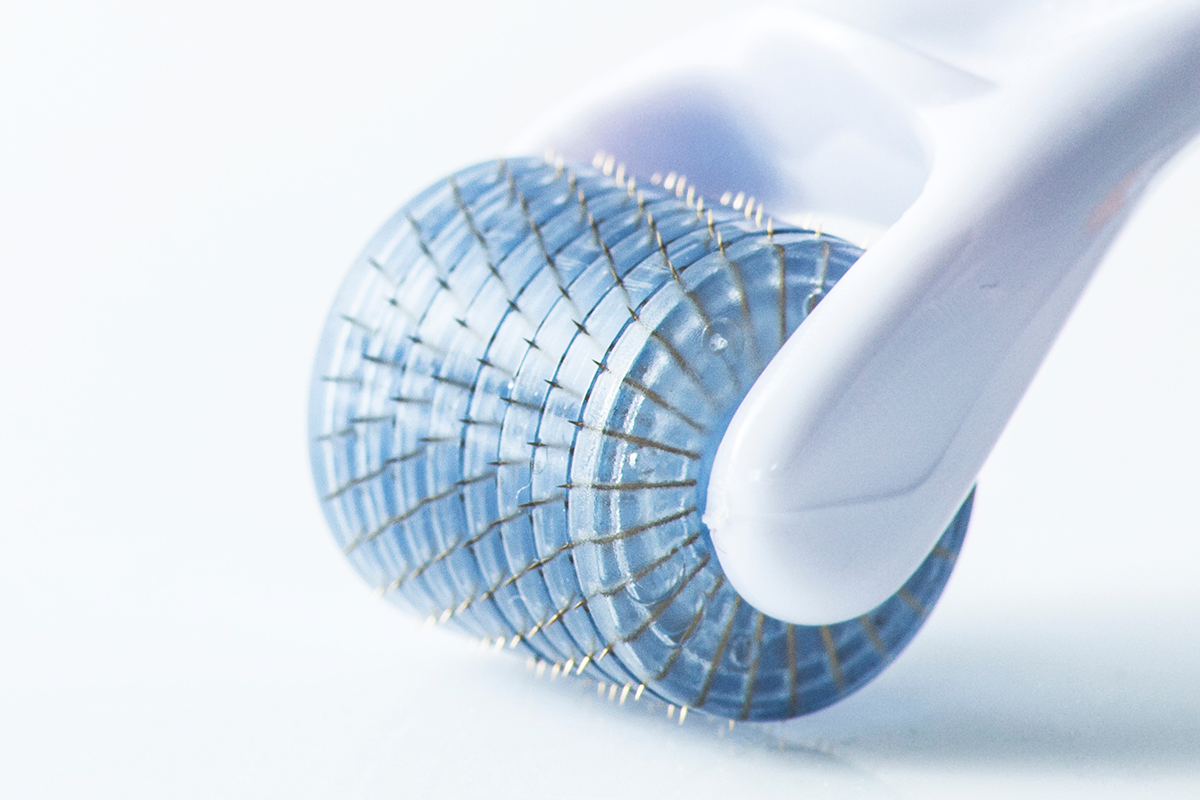
If you have been looking for ways to support hair regrowth at home, you may have heard of the derma roller - a small handheld device, covered with tiny needles.
Many people are switching to the derma roller for hair growth alongside a hair growth serum.
The idea behind microneedling your scalp is that it can create controlled micro injuries on the scalp which in turn facilitate wound-healing processes and pathways that could stimulate hair follicles. This can be useful for certain types of hair loss.
However, it doesn’t work like a magic wand for hair regrowth. So many variables go into it like technique, hygiene and the root cause of hair loss.
If you are looking to add a derma roller for hair growth in your scalp-care routine, here’s what you should know!
How Microneedling Stimulates Hair Follicles
Microneedling involves creating numerous tiny punctures in the skin using fine needles. When performed on the scalp, this controlled injury triggers the body's natural wound-healing response.
Microneedling is a technique used to create tiny punctures on the scalp with fine needles which can stimulate the wound-healing response.
Research suggests that microneedling works by releasing growth factors and inducing changes in the follicular environment of the hair. In addition, it can also increase the reach of other topical treatments being used, as they can soak in further inside the scalp.
Clinical studies have found that microneedling, particularly when combined with topical minoxidil, may improve hair growth in people with androgenetic alopecia compared with minoxidil alone. However, research is still developing, and results can vary depending on the cause and severity of hair loss.
This is why when you are analysing derma roller benefits for hair, you should remember that microneedling scalp can be useful when combined with other treatments. It cannot be used as a universal solution for every type of hair loss either.
Choosing the Right Needle Size for Scalp
Needling on the scalp can sound intimidating which is why considering the right needle size is an important factor when buying a derma roller.
Longer needles do not mean better performance of the product. It can lead to more tissue injury and higher risk of bleeding and infections, if used incorrectly.
If you are looking to try derma rollers for home use, go for shorter needles. You will find many different needle lengths when you shop for a derma roller for hair growth so consider speaking to a dermatologist or trichologist before picking one, especially if you suffer from significant hair loss due to an underlying hair condition.

Step-by-Step: Using a Derma Roller at Home
There is a right way to use a derma roller at home and here’s what you should keep in mind if you are about to try one:
-
Cleanse your scalp: Never begin microneedling on a dirty scalp. Use a gentle shampoo to cleanse your scalp and wash your hands properly before beginning.
-
Disinfect the roller: Follow the product instructions to keep the derma roller clean after every use.
-
Work in sections: Take your time working on smaller scalp areas.
-
Apply pressure gently: Don’t be aggressive with the needling. The idea is to create gentle stimulation all over the scalp. Avoid going over the same area again or pressing hard.
-
Avoid if the scalp is injured: Don’t use it if your scalp is already sensitive or suffering from inflammation.
Pairing with a Growth Serum for Maximum Impact
This is where the derma roller serum combo comes in.
Topical treatments are mostly used alongside derma rollers because it increases the permeability of the scalp. So, it makes sense to go for a derma roller serum combo when working on hair regrowth. However, it does not mean that you should be immediately applying the serum after microneedling.
For a cosmetic derma roller serum combo, follow the product instructions and choose formulations specifically designed for scalp use.
How Often Should You Derma Roll?
More frequent microneedling is not automatically better.
It is important to keep in mind that the scalp needs time to recover after enduring the controlled needling. The frequency at which you do it at home depends on your hair issues, skin type, needle length of the derma roller and the technique as well. Best to follow the device’s instructions or go for professional guidance.
Be sure to remember that hair regrowth is a process that takes time and being impatient with a device like the derma roller can cause damage and stress. So, give your hair time to recover and regrow.
Precautions & Hygiene Tips
With microneedling, hygiene is not an optional extra. You are deliberately creating tiny openings in the skin, which means contamination can introduce bacteria and potentially cause infection.
The chances of contamination are higher when you are deliberately injuring your scalp. This is why hygiene is not an afterthought when it comes to microneedling the scalp.
Here are some tips to remember:
-
Never use a roller on broken, infected or inflamed skin.
-
Never share your device.
-
Clean and disinfect it exactly as instructed by the manufacturer.
-
Do not use a damaged or visibly contaminated roller.
-
Wash your hands before handling the device.
-
Avoid aggressive pressure or repeated passes over one area.
-
Be cautious about applying active or potentially irritating products immediately afterwards.
-
Keep the roller stored in a clean, dry environment.
-
Stop if you develop significant pain, swelling, pus, persistent redness or other signs of infection.
A derma roller for hair growth can be easily incorporated into your haircare routine. But, it does not come without risks. So understand what this can realistically do, don’t go overboard and give it time to see the best results.

FAQS
1. Does derma rolling hurt on the scalp?
Some discomfort or a mild prickling sensation is normal, depending on needle length and pressure. Significant pain or bleeding indicates that you may be applying too much pressure or using an unsuitable device.
2. How soon will I see results with a derma roller and serum?
Hair growth takes time, so visible results typically take several months rather than weeks. Results also depend on the cause of hair loss and whether microneedling is combined with an evidence-based treatment.
3. Can derma rolling cause infection?
Yes. Because microneedling creates tiny openings in the skin, poor hygiene can increase the risk of infection. Always clean the device as directed, never share it and avoid using it on broken or inflamed skin.
4. Which serum works best with a derma roller?
There is no single serum that works best for everyone. Choose a scalp-specific formula and check whether it is suitable for use with microneedling; for significant hair loss, a dermatologist can recommend evidence-based options.