





If you've ever tried growing a plant, you'll know that no amount of attention to the leaves can compensate for unhealthy roots.
Hair works the same way.
When most people think of improving their hair quality Shampoos, conditioners, serums and other such products
Improving the shine, strength and overall health of hair is not just limited to using the best shampoos, conditioners and serums. While they do add to the look and feel of the hair, a good scalp care routine cannot be substituted. A healthy and nourished scalp works the same as fertile soil, creating the perfect environment to support stronger hair growth cycles.
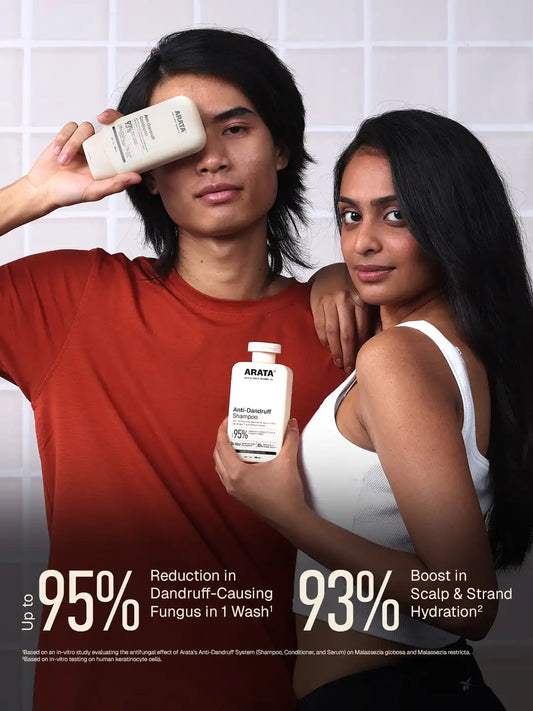
When the scalp barrier is compromised with excess buildup or an imbalance in the scalp microbiome, it can contribute to common issues like dandruff, weakening of the hair strands, excessive shedding and more.
Here's why prioritising scalp care can make a significant difference in your overall hair health.
Scalp Health = Hair Health: The Connection
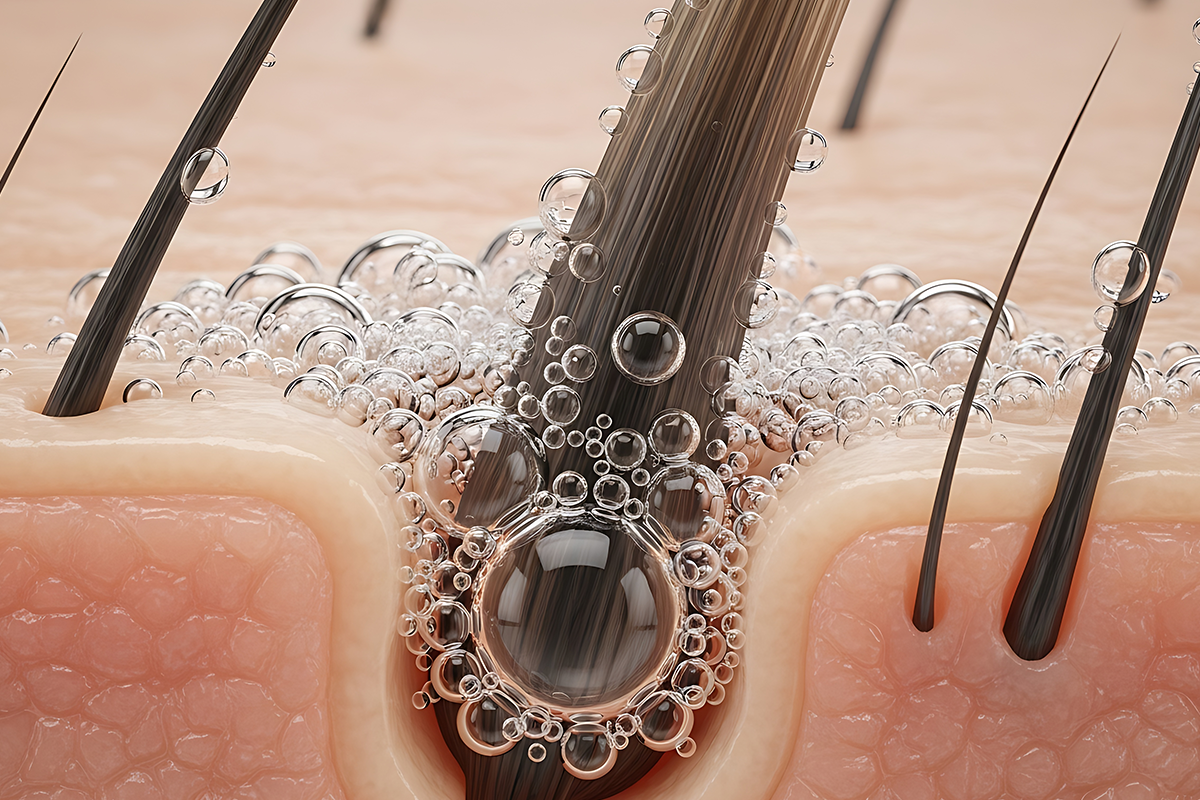
There are many things going on in your scalp. It houses hundreds of thousands of hair follicles, sebaceous glands,blood vessels and a large community of microorganisms. For a scalp to be healthy for hair growth, all of these need to be nourished appropriately which means a healthy scalp environment should be able to receive nutrients, the strength of your hair follicles mainly rely on this.
To build a good scalp care routine, you must be aware of what you are working against. A compromised scalp microbiome can lead to certain forms of hair thinning and hair loss because it can disrupt the normal functioning of hair follicles.
On the other hand, a healthy scalp can promote:
-
Strengthening of hair roots
-
Better moisture balance
-
Reduced breakage and shedding
-
Boosted hair density and thickness
-
Improved conditions for healthy hair growth

Signs of an Unhealthy Scalp
Instead of jumping into scalp health tips online, it is important to first understand the exact cause of your problem. Some common signs that can alert you of unhealthy scalp conditions are:
-
Persistent dandruff or flaking
Flaking is often a result of dryness in the scalp, product build up or an imbalance in the scalp microbiome.
-
Oiliness or Greasiness
This can be a sign that your sebaceous glands are overactive which leads to buildup around hair follicles.
-
Itching and irritation
Frequent itching may signal inflammation, sensitivity, or scalp barrier disruption.
-
Redness or tenderness
If the skin on your scalp feels inflamed or extra tender, it can be due to an underlying issue which can disrupt the hair growth cycle.
-
Increase in hair fall
A compromised scalp environment could lead to a noticeable increase in hair fall.
It is always a good idea to take heed of these symptoms early and adopt the right scalp health tips to restore hair health. A compromised scalp environment could lead to a noticeable increase in hair fall.
Understanding the Scalp Microbiome
When we talk about the scalp microbiome, we are referring to the vast and dynamic ecosystem of microorganisms that naturally live on the scalp. This includes bacteria, fungi, yeasts and more. The scalp microbiome is an emerging area of hair science being extensively studied today.
Like the skin and gut microbiome, scalp microbiome can also be linked to dermatological conditions that affect hair health when a disruption has occurred.
Here’s what a balanced scalp microbiome does for you:
-
Provides stronger support to the scalp’s protective barrier
-
Reduces sensitivity, inflammation and therefore, irritation
-
Checks excessive buildup from sebaceous glands to control oiliness
-
Prevent excessive flaking and discomfort
It is important to protect the scalp microbiome against environmental stressors, harsh products, lifestyle-related stress, heat styling, overwashing and more. Gentle cleansing and including products that are formulated with nourishing ingredients can be key to improving scalp health and promote better hair growth.

Perfecting the Scalp Care Routine Step 1: Regular, gentle cleansing
Complicated routines are not the answer if you are looking for a sustainable way to improve hair health. It is more important to be consistent with something that works, than to include multiple products in your regimen.
Here are some basic things to remember when you are building the best scalp care routine for yourself:
Step 1: Regular, gentle cleansing
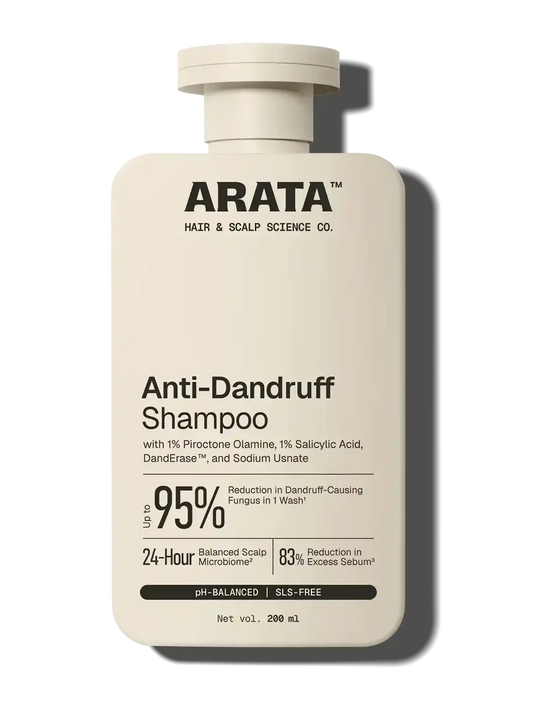
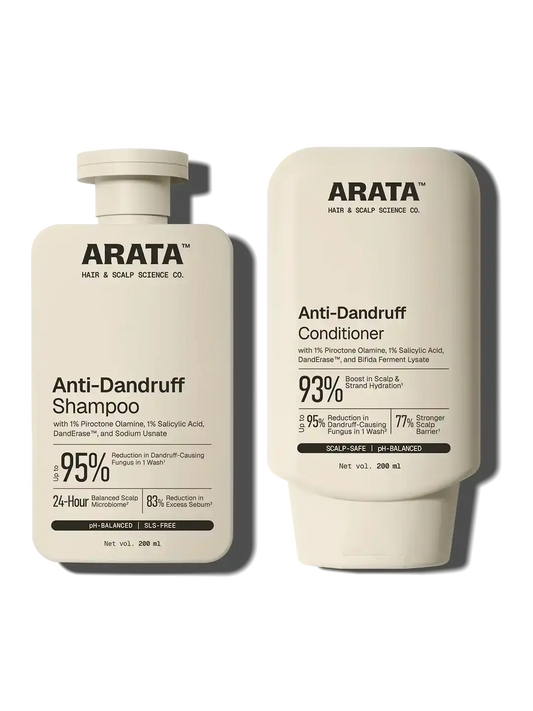
Gentle shampoos that cleanse the scalp and hair without stripping away natural oils is important when environmental stressors attack your hair daily. It keeps your scalp clean without removing healthy oils. Find sulfate-free, clinically tested cleansers here.
Step 2: Occasional scalp exfoliation
Like the skin, the scalp can also benefit from gentle exfoliation. It helps:
-
Remove product buildup
-
Clean out dead skin cells
-
Create a healthy environment for follicle growth
-
Freshen up the scalp environment
Remember to be careful and not overdo scalp exfoliation since it can cause unnecessary disruptions in the scalp barrier.
Step 3: Appropriate Hydration
Itchiness, dandruff and flakiness can be due to a dehydrated scalp. A good scalp care routine allows for moisture balance so your hair is not too dry or oily.
Step 4: Use Targeted Treatments
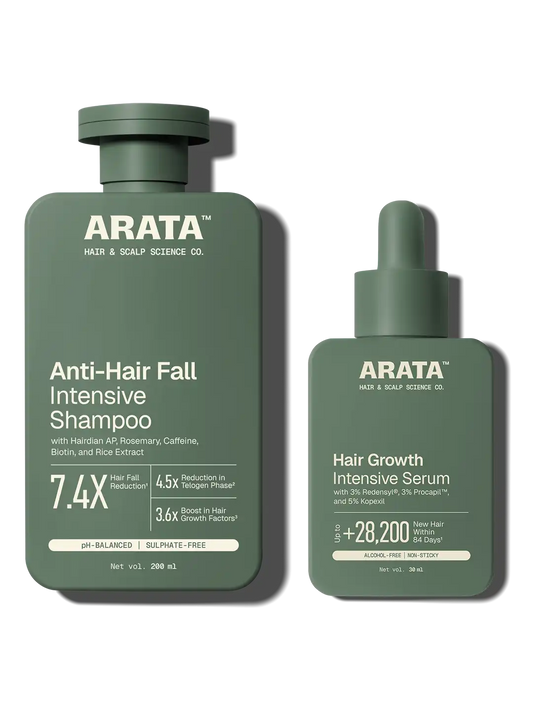
Scalp serums and treatments containing ingredients that support follicular health can help maintain a healthier scalp environment. Products such as growth-focused scalp serums may complement a healthy hair care routine.
Ingredients That Support Scalp Health
Hair health is an extensively studied subject since it has become increasingly difficult to maintain today. Some of the ingredient names have gained worldwide popularity because they are transforming the way we treat scalp health.
Here are some that work well for overall wellness of the hair:
Niacinamide
Known for supporting the skin barrier, niacinamide may help improve scalp hydration and reduce irritation.
Peptides
Peptides are increasingly used in scalp treatments because they help support healthy follicular environments and stronger-looking hair.
Botanical Extracts
Plant-based ingredients such as rosemary, green tea, and ginseng are commonly used to support scalp vitality and antioxidant protection.
Redensyl
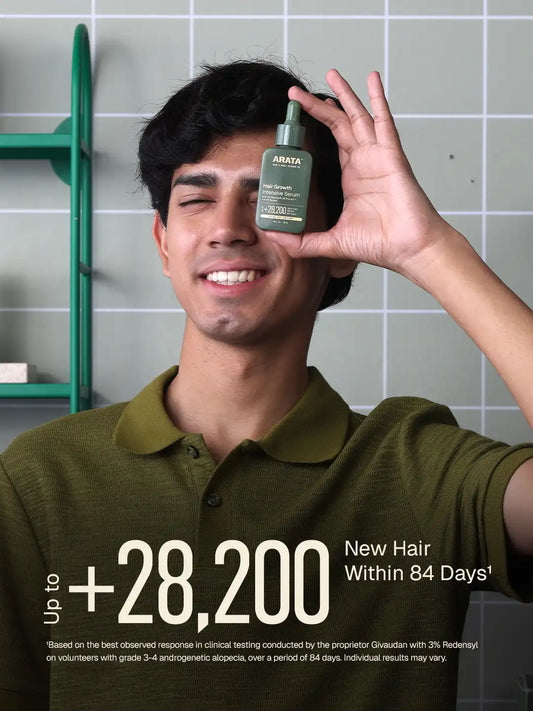
Redensyl is a popular active often included in modern hair growth formulations to help support the hair growth cycle and improve the appearance of fuller hair.
Explore hair growth formulations featuring advanced ingredients.
Gentle Cleansing Agents
Sulfate-free surfactants can help maintain scalp balance without excessively disrupting the natural microbiome.
Humectants and Hydrators
Ingredients such as glycerin and aloe vera can help support scalp hydration and reduce dryness.
Common Mistakes That Damage Your Scalp
Even a well-intentioned scalp care routine can be secretly contributing to hair damage, without your knowledge. Here are some usual mistakes to look out for:
Overwashing
Frequent washing with harsh cleansers may strip natural oils and increase irritation.
It is generally recommended by dermatologists to wash your hair every 2-3 days. Washing it more regularly can lead to an increase in dryness and irritation.
Heavy Styling
If your hair needs styling often, it is good to invest in products that make sure to keep the moisture balance undisturbed and reduce breakage.
Ignoring Symptoms
If your scalp is often itchy, red, or flaky, it is a good idea to look into it further and stop it from developing into more serious concerns.
Excessive Scratching
Sometimes we can become used to scratching the scalp without realising and it can damage the scalp barrier and lead to more inflammation.
Neglecting Scalp Hygiene
It is a good practice to avoid sweat accumulation that can lead to buildup and discomfort.
FAQs:
Q: How often should I exfoliate my scalp?
Most people can benefit from scalp exfoliation once every 1–2 weeks. However, the ideal frequency depends on your scalp type, product usage, and concerns such as excess oil or buildup.
Q: What causes an itchy or flaky scalp?
An itchy or flaky scalp can be caused by dryness, dandruff, product buildup, excess oil, environmental factors, or an imbalance in the scalp microbiome.
Q: Can scalp care really improve hair growth?
Yes, maintaining a healthy scalp can create a better environment for hair follicles, supporting stronger, healthier-looking hair growth and reducing concerns like excessive shedding and breakage.
Q: What ingredients should I look for in scalp products?
Look for ingredients such as niacinamide, peptides, botanical extracts like neem, tea tree, rosemary, gentle cleansing agents, and hydrating ingredients like aloe vera that help support scalp balance and overall hair health.