





When it comes to labeling haircare as ‘clean’, there is no single definition universally agreed upon. This makes it difficult for people to be sure about what is in their hair routine because brands all over use the term to mean different things.
We are all fairly good at spotting keywords like paraben-free, SLS-free and chemical-free but we most probably don’t know what it actually means. But what is most important is how you understand the term chemical-free.
Let’s break the myth because chemical-free hair care does not exist. Water also qualifies as chemical. Chemicals are used to make the coconut oil you use everyday. So your hair can never really be chemical-free.
The right way to go about this is to go further and ask which chemical combination has been tried and tested to make the most sense for your hair and scalp?
Defining ‘Clean’ in Haircare
Two haircare products that call themselves ‘clean’ can have very different formulations. Before getting into the intricacies of it, you should know that ingredients used in conventional cosmetics are not automatically unsafe because they are synthetic. Each ingredient serves a purpose which can be anything from cleansing, conditioning, preserving the integrity of the formula and so on.
For example, parabens are preservatives that help prevent the growth of bacteria and fungi in cosmetic products. Current evidence does not establish that parabens, when used at permitted levels, are inherently harmful. Choosing paraben-free hair products can therefore be a personal preference, but “paraben-free” should not automatically be interpreted as “safer”.
For example, parabens are used as preservatives in haircare formulations to prevent the formation of bacteria and fungi but there is no evidence to suggest that parabens (at permissible levels) are inherently harmful. But people go for paraben-free hair products as a personal preference. It should, however, not be interpreted as “safer”.
Ingredients to Avoid: Parabens, SLS, Silicones
Let's decode three ingredients that are frequently challenged when it comes to “clean care”.
These three names are what you will hear often when it comes to challenging the concept of “clean care”.
Do You Need Paraben in Your Shampoo?
Parabens are the thing that keeps your shampoo from growing microorganisms. They are preservatives and they do the indispensable job of extending your shampoo’s shelf life. The presence of a paraben does not mean that the product is not safe for use. However, many people prefer paraben-free hair products if they have specific sensitivities or ingredient preferences.
Commonly found parabens in your hair products would be methylparaben, propylparaben, butylparaben and ethylparaben.
What is SLS in Your Hair Product?
SLS or sodium lauryl sulfate is the ingredient that helps water mix with oil, dirt and product residue so they can be cleansed. SLS-containing shampoos are not inherently harmful but they can be irritating or drying for some people, especially if your skin is already sensitive. So if you detect tightness on your scalp after using it, you might want to try an SLS-free shampoo.
Silicones - Are they Good or Bad?
Silicones such as dimethicone are commonly used to improve slip, smoothness and shine. They can reduce friction between hair fibres and make hair easier to detangle and manage.
Silicones in haircare serve the purpose of adding slip, smoothness and shine to your hair. Dimethicone is a commonly used name you will find on the ingredient list which is used to reduce the friction between hair fibres. This can help detangle your hair easier and become more manageable.
Some people find silicone containing formulas to be heavy on their hair which can lead to buildup while others find it helpful for managing frizz.

How to Read a Hair Product Label
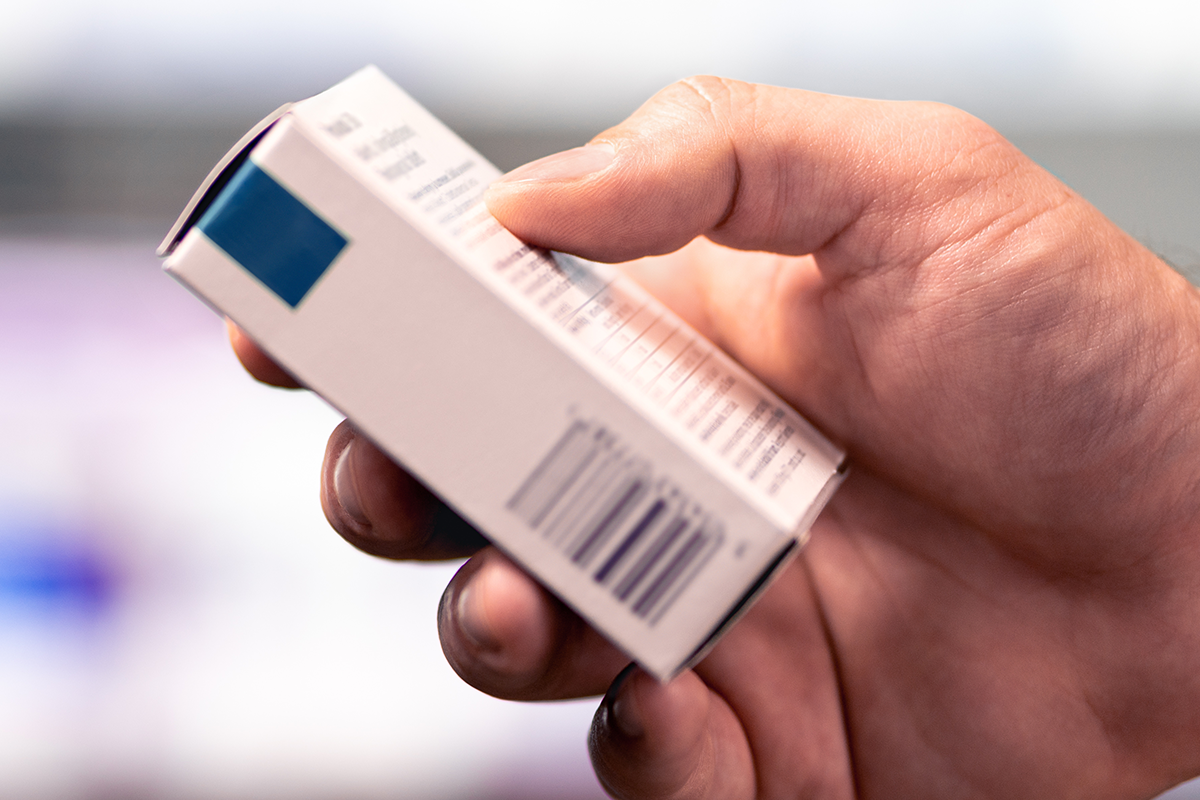
First, you should lead with the knowledge that chemical-free hair care does not exist since it is a scientifically inaccurate term. Identify the ingredients you would like to avoid and read the product information by brands that don't hesitate to provide you the full information.
A shampoo will have ingredients followed by water that are necessary for cleansing while a conditioner will have conditioning agents, emollients that make up the formulation.
H8 Greenwashing: Marketing Tricks to Watch For
Greenwashing is when a brand tries to appear significantly more natural and sustainable in their formulations and practices than the evidence would support. Especially since the demand for more ethically made products has risen in India, brands use a lot of marketing language that paints a better picture than the reality.
When trying to avoid marketing tricks such as this, you should be cautious of broad, unsupported claims like:
-
“Chemical-free.” Cosmetic products cannot be made without any chemicals.
-
“Natural means safe.” The use of natural ingredients doesn’t eliminate the chances of allergic reactions or irritation.
-
“Free from” lists. This is a way of sidestepping what is actually included in the product by mentioning buzzwords that are not in the ingredient list.
-
Vague claims such as “pure”, “non-toxic” or “eco-friendly”. These are vague terms which do not mean much until you understand the basis on which it is defined. If there are no proper certifications, it does not stand for much.
All of these are claims that you may come across while evaluating clean haircare in India, and there is no one way to define ‘clean’ in the category.
Certifications That Matter: PETA, MADE SAFE and More
Certifications can be useful because they give certain marketing claims an independent standard behind them.
PETA
Companies that are a part of PETA’s Beauty Without Bunnies programme make various commitments related to animal testing of their products, ingredients and suppliers.
So if a brand showcases their PETA cruelty free label, it tells you that they are not involved in animal-testings. But it doesn’t extend beyond that to mean it is sulphate-free or paraben-free.
MADE SAFE
A certification by MADE SAFE means the product has been evaluated against a standard design to filter known or suspected harmful elements, keeping human and ecosystem health in consideration.
Making the Switch Without Shocking Your Hair
Switching to clean haircare does not require replacing every product in your bathroom at once. If you want to try paraben-free hair products, an SLS-free shampoo or another clean-labelled formulation, start with one product and observe how your hair and scalp respond.
Your hair may feel different when you change formulations because cleansing agents, conditioning ingredients and other components affect texture, volume, softness and manageability.

FAQs
1. Is SLS really bad for your hair?
No, not necessarily. SLS in haircare is simply used as a cleansing agent and isn't inherently harmful simply because it is a sulfate. However, try an SLS-free shampoo If your scalp feels uncomfortable.
2. What does PETA-certified mean for haircare?
A PETA-approved cruelty-free claim means the brand is committed to practices that don't include animal testing. It does not go beyond to mean that it is chemical-free.
3. Can clean haircare products perform as well as conventional products?
Yes, no doubt. A product that is well designed is effective because of its formulations and ingredients. There are many scientific trials that take clean haircare in a new direction all the time.
4. How do I identify greenwashing on product labels?
Watch for vague claims such as “chemical-free”, “100% pure”, “non-toxic” or “all-natural” without clear explanations or supporting information. Also look beyond a prominent “free-from” claim and read the complete ingredient list.